

Discover the most common causes of gaps in water utility asset management.
If your team has identified gaps in water utility asset management, you need to know why those gaps are showing up in the first place.
Water utility asset records often become unreliable because the GIS workflow behind them breaks down. Field data may be collected inconsistently, updates may be delayed, and operational knowledge may remain undocumented.
Over time, these gaps reduce confidence in asset inventories, infrastructure records and GIS data, making maintenance, compliance and emergency response more difficult.
Many utilities can see the symptoms:
- Crews spend too long locating valves.
- Corrected locations never fully make it back into GIS.
- New staff need help from long-tenured employees to work around what the map does not show.
- Compliance teams have records but not always enough supporting detail behind them.
Often, the real problem is found in the workflow behind the map.
How inconsistent field data collection creates asset data discrepancies
One of the biggest reasons GIS loses credibility is that field capture often depends on who is doing the work and how they were trained. One crew may collect location, photos and notes. Another may only update a few attributes. A contractor may document something differently from an internal field team. The result is a patchwork of records with inconsistent detail and reliability.
That inconsistency makes it difficult to trust whether mapped assets reflect current conditions or whether the utility asset database contains complete and reliable supporting documentation.
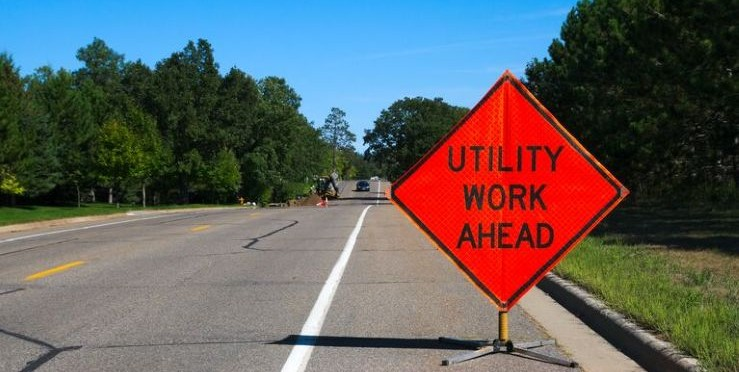
In daily operations, inconsistent capture shows up as:
- Missing attributes that slow decision-making
- Incomplete documentation that makes later review harder
- Asset locations that are usable in some cases and questionable in others
- Extra time spent double-checking what should already be known
How delayed updates create operational risk
Confidence in GIS and utility asset records also drops when field corrections move too slowly back into the system.
Crews often discover errors or gaps while responding to a leak, inspecting a service line or confirming buried infrastructure. But when updates wait for later entry, manual cleanup or follow-up from another team, GIS falls behind current conditions.
The result is slower response, weaker coordination, and less reliable GIS data for future repairs, inspections and compliance work. Utilities that enable crews to capture verified locations and update records directly from the field are often able to reduce the backlog between fieldwork and GIS maintenance.
How tribal knowledge weakens GIS reliability
Many water systems still rely heavily on long-tenured staff who know which records are trustworthy, which valves are buried and which areas of the network rarely match the map exactly.
That experience keeps work moving, but it also creates uneven access to operational knowledge.
Newer employees may need help to confirm what seasoned staff already know. Contractors may not have the same context. Teams may work around known issues informally instead of fixing them in a repeatable way.
As more day-to-day decisions depend on local memory, GIS loses value as a shared operational system for managing water infrastructure assets. Knowledge remains informal rather than consistently documented and transferable. That makes training slower, cross-team coordination harder, and long-term data quality more difficult to improve.
Why GIS workflow problems keep repeating
Many utilities experience a familiar cycle.
A crew responds to an issue and finds that an asset is not exactly where the map suggests. The team figures it out in the field, completes the work and moves on. The lesson from that job stays in notes, photos, or memory rather than reaching the GIS. The next time a similar issue happens, the same problems resurface.
GIS problems persist when field corrections, documentation, and GIS updates remain disconnected. The workflow often fails to turn field knowledge into lasting GIS improvements.
Why traceable GIS and asset management data matter for water utilities
Reliable GIS requires more than accurate asset locations. Teams also need enough context to understand and trust what they are seeing.
That includes details such as:
- Who captured the information
- When it was captured
- How it was verified
- What evidence supports the update
Accuracy without traceability creates risk. In practice, traceable field data helps utilities support operational decisions, strengthen compliance records, and reduce the need to revisit the same questions later.
How better field-to-GIS workflows improve utility asset management
Improving GIS starts with the way information moves from fieldwork into the system. When field capture is consistent, updates happen as work occurs. Knowledge is recorded in a repeatable way, and GIS becomes more useful across operations, compliance and planning.
Reliable GIS data comes from workflows that continuously improve the map with every field update.
Improve your field-to-GIS workflow
If inconsistent field capture, delayed updates or documentation gaps are reducing trust in your GIS data, improving the workflow between the field and GIS is often the fastest path to better asset records.
Modern utility workflows make it easier for field crews to capture accurate locations, photos, attributes and supporting evidence as part of their normal work, without adding unnecessary complexity or requiring specialised survey expertise for every update.
When field teams can collect reliable data, update records more quickly and document changes in a consistent way, GIS becomes a more trusted source of information for operations, maintenance and compliance.
A stronger workflow can help your team:
- Capture reliable asset information during normal fieldwork
- Reduce lag between field changes and GIS updates
- Create traceable records that support audits and reporting
- Improve confidence in water infrastructure asset data across the organisation
For many utilities, improving GIS is really about improving the quality of the asset inventory. When field teams can capture accurate locations, attributes, photos and supporting documentation during routine work, the organisation builds a more reliable asset database that supports operations, maintenance, compliance and long-term infrastructure planning.
Frequently asked questions
Why do water utility GIS records become unreliable?
GIS records often become unreliable when field data is collected inconsistently, updates are delayed, and operational knowledge remains undocumented. Over time, these gaps reduce confidence in asset inventories and infrastructure records.
What causes GIS data quality problems in water utilities?
Common causes include inconsistent field data collection, incomplete documentation, delayed updates, and reliance on tribal knowledge instead of standardised workflows.
Why is accurate asset data important for water utilities?
Accurate asset data helps utilities locate infrastructure faster, improve maintenance planning, support regulatory compliance, and respond more effectively to emergencies.
How can utilities improve GIS data quality?
Utilities can improve GIS data quality by standardising field workflows, capturing asset information consistently, updating records more quickly and maintaining traceable documentation.
Jason Hooten, GIS Sales & Support Manager US & Canada